

20/07/2026 (Mon) · 4 min read · By David Lyons
Part of What's About, our weekly birding wrap - see all editions
The week in birds across Cairns, the Atherton Tablelands and the wider Wet Tropics.
Welcome to the first edition of What's About, our weekly wrap of birding across Cairns and the Tablelands. Every Monday we'll cover the week just gone: where the activity was, what's arrived, what's moving and what's worth chasing in the week ahead, drawn from public checklist activity across the region. A note on how we'll run it: we don't name observers, and we coarsen locations for anything sensitive. Rarities get a district, not a pin, and when nesting season arrives for the region's special birds we'll keep those sites general on purpose. Good birding runs on trust, and this report will earn its keep the same way.
Now, to the week. A big one. Birding activity across the region roughly doubled on the previous week, with 96 birders logging 341 checklists around Cairns and another 82 birders filing 320 lists on the Tablelands. Species-wise the region delivered as it always does in the dry season: 166 species recorded around Cairns on Sunday alone, and daily Tablelands tallies sitting between 131 and 164 species all week.
Cairns Esplanade (southern end) was the busiest single site in the region with 24 checklists. No surprise in July: the tide pushes waders and terns up onto the mud in front of the viewing platforms, and the fig trees along the parkland are holding honeyeaters and figbirds. One observer logged 45 species in a single Esplanade session this week.
Crater Lakes National Park at Lake Barrine topped the Tablelands with 18 lists. The rainforest edge around the lake circuit is reliable right now for the upland specialties, and the tea house lawn remains one of the easiest places in the country to sit down with a scone and still be birding.
Hasties Swamp near Atherton had a standout week. Multiple observers cracked 40 plus species from the hide, with the best single list hitting 54. Winter concentrates the waterfowl here as outlying wetlands dry back, and the hide does the rest.
Also busy: the Julatten and Abattoir Swamp area, Mount Hypipamee, Daintree Village and its river cruises, and the Yorkeys Knob wetlands north of Cairns. Two observers each recorded 75 species in a day, one working the Port Douglas wetlands, the other the foothills around Mirriwinni. Seventy five species in a July day is what this region does when you string the right habitats together.
The most interesting signal this week came from the drier western edge of the Tablelands. Banded Honeyeater and Little Woodswallow turned up at Blencoe Falls, and a Painted Buttonquail was recorded near Dimbulah. That cluster reads as classic dry season movement, with inland and savannah birds drifting east as the country dries out behind them. Worth keeping an eye on the Mareeba to Dimbulah corridor over the next few weeks.
On the coast, a Pacific Koel and Whiskered Tern appeared at the northern end of the Esplanade. A koel calling in mid July is early, the vanguard of the wet season migrants that will build from September.
Other notable returns and reappearances: Channel-billed Cuckoo at Lake Barrine (also early), Red-necked Crake near Lake Eacham, Far Eastern Curlew inland at Jaggan, a Square-tailed Kite near Miallo, and a Lesser Frigatebird out at Michaelmas Cay.
Two reports worth flagging, both currently unconfirmed:
Rarity records are re-verified against eBird before publication. Records corrected or withdrawn at source are not carried here.
Dry season birding is at its most comfortable right now: cool mornings, clear days, and the wetlands and forest edges concentrating birds. If you have one morning, the Esplanade on a rising tide followed by Centenary Lakes is the classic Cairns double. With a full day, the Tablelands loop through Hasties Swamp, Lake Barrine and Mount Hypipamee is producing 40 to 60 species days for careful birders.
Want this week's birds without the legwork? Our private day tours are built around exactly this kind of week to week intelligence. Birding Day Tour
What's About is compiled weekly from public checklist activity across the region. Numbers reflect the week ending Sunday 19 July 2026. Back next Monday.
Ready to experience this yourself?
Book Now →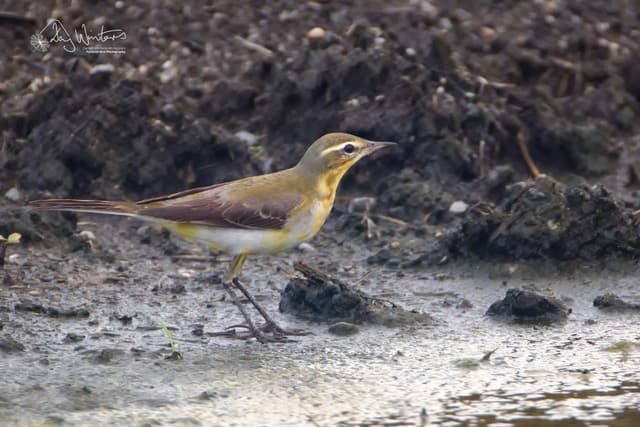 news
news22/10/2026 (Thu)
A twitchable Little Curlew hanging on at the France Road turf farms, a cracking Ashy-bellied White-eye out on the reef cays, and spring passage ticking along with a wagtail and a stint.
Read More →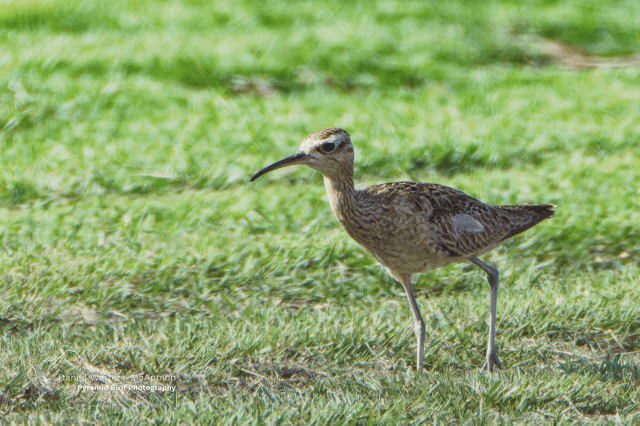 news
news15/10/2026 (Thu)
The Satin Flycatcher influx builds into the story of the week, a twitchable Little Curlew on the France Road turf farms, and a Long-toed Stint up at Hasties.
Read More → news
news08/10/2026 (Thu)
A quieter week after the Kelp Gull era, with a Satin Flycatcher influx the theme and spring migration still delivering fresh arrivals.
Read More →Tour tips, wildlife updates, and seasonal highlights. No spam, unsubscribe anytime.