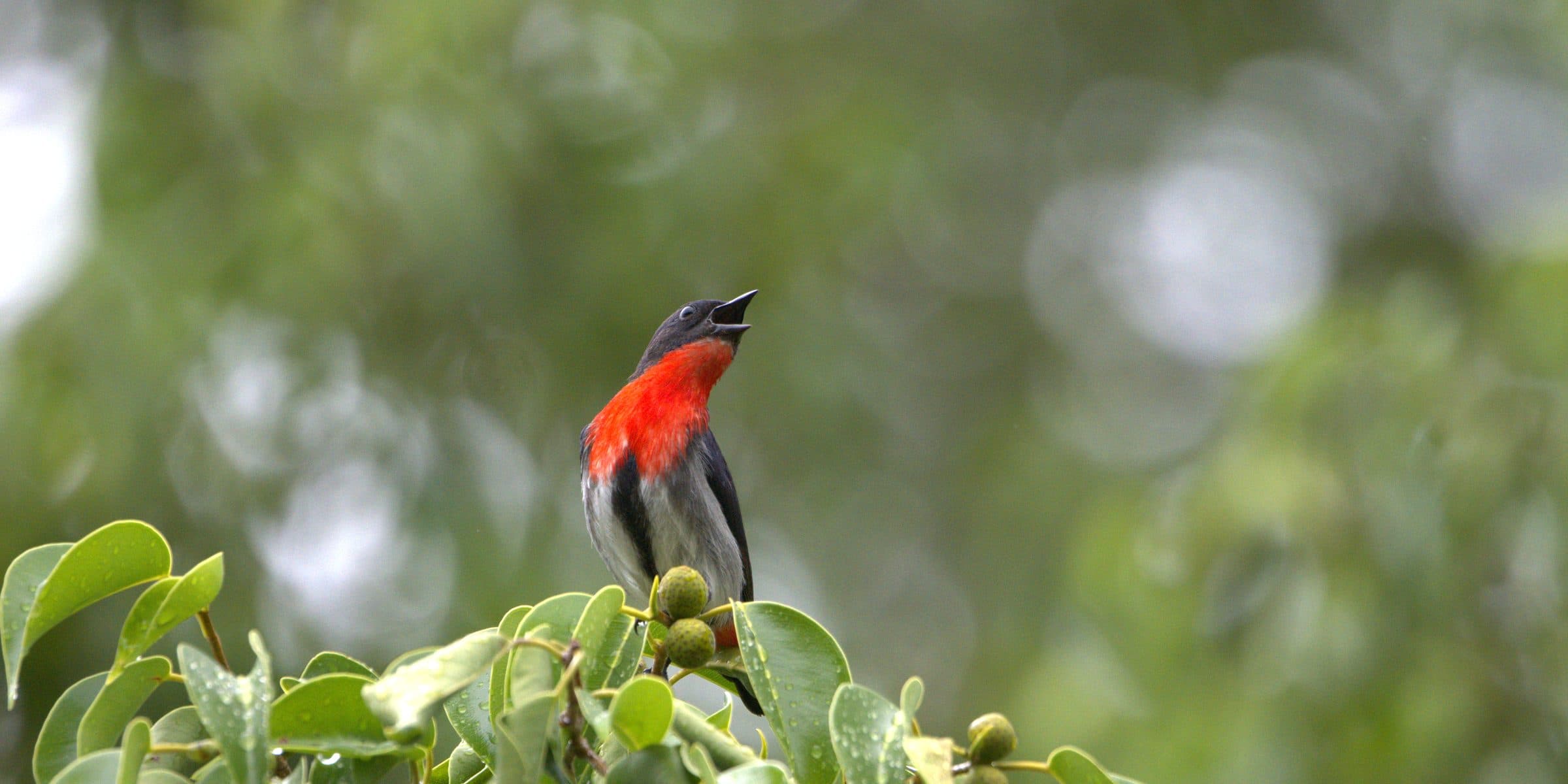
Mistletoebird, north of Cairns, 1 October 2026. Photo: Kingfisher Birding.
Full day bird and mammal tour
Thursday 1 October 2026
Clayton Smith, Lead Guide with David Lyons
Thursday 1 October 2026
Cairns, coastal foothills, Trinity, Spectacled Flying Fox roost, Kuranda Range, Mareeba savanna, Granite Gorge Nature Park, Mareeba, Hasties Swamp, Yungaburra and Peterson Creek, Gillies Highway, Cairns
Rain over Cairns and the Tablelands through the morning, showers at Granite Gorge, clearing to bright sun by the Yungaburra walk.
Clayton Smith · David Lyons
82 bird species recorded
4 mammals
- •A seasonal roost of roughly 1,800 to 2,500 Spectacled Flying Foxes
- •A male Mistletoebird singing from a low fig branch
- •Spangled Drongos and babblers in a flurry of feathers at Granite Gorge, in the rain
- •Forest Kingfisher and Little Pied Cormorant perched in front of the Hasties Swamp hide
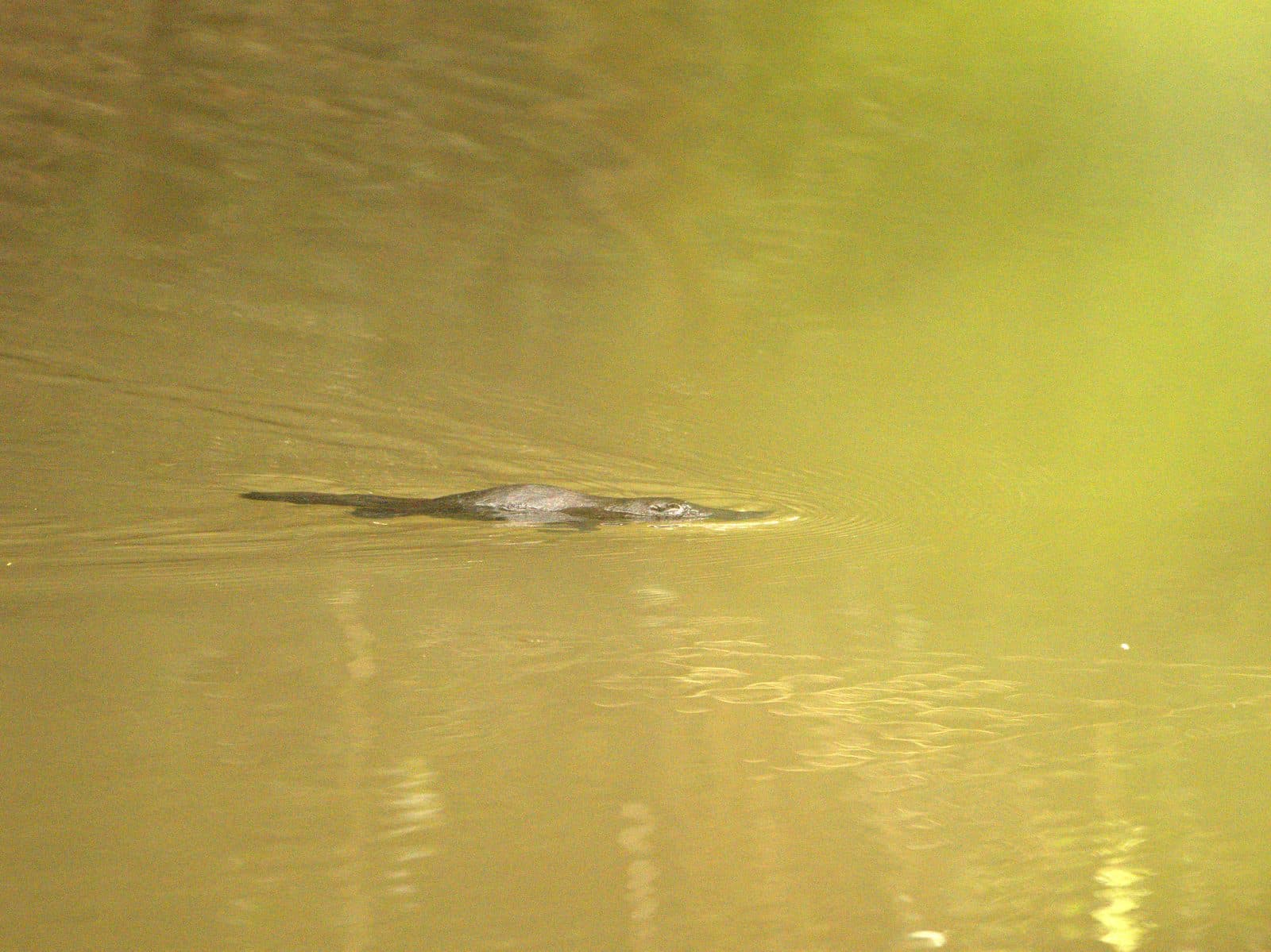
- •A Platypus at Peterson Creek that fed in the open rather than slipping away
Rain settled over Cairns and the Atherton Tablelands overnight, which on another day would have made for a thin morning. Instead it set the route. We went north and west into the dry tropical savanna, worked the gaps between the showers, and finished in full sun at Yungaburra. Clayton's report from the day follows.
Today's tour was designed to maximise our species list while still allowing plenty of time for photography whenever opportunities arose. With rain settling over Cairns and the Atherton Tablelands, we opted to head north, avoiding the weather and exploring the dry tropical savanna west of Cairns.
Our first stop at the foothills produced several excellent species, including Crimson Finch, Chestnut-breasted Munia and Plumed Whistling-Duck. From there, we continued north towards a seasonal roost of approximately 1,800 to 2,500 Spectacled Flying Foxes. Among the surrounding trees, we also encountered Great Egret, Double-eyed Fig Parrots and a male Mistletoebird, which was confidently singing from a low fig branch.
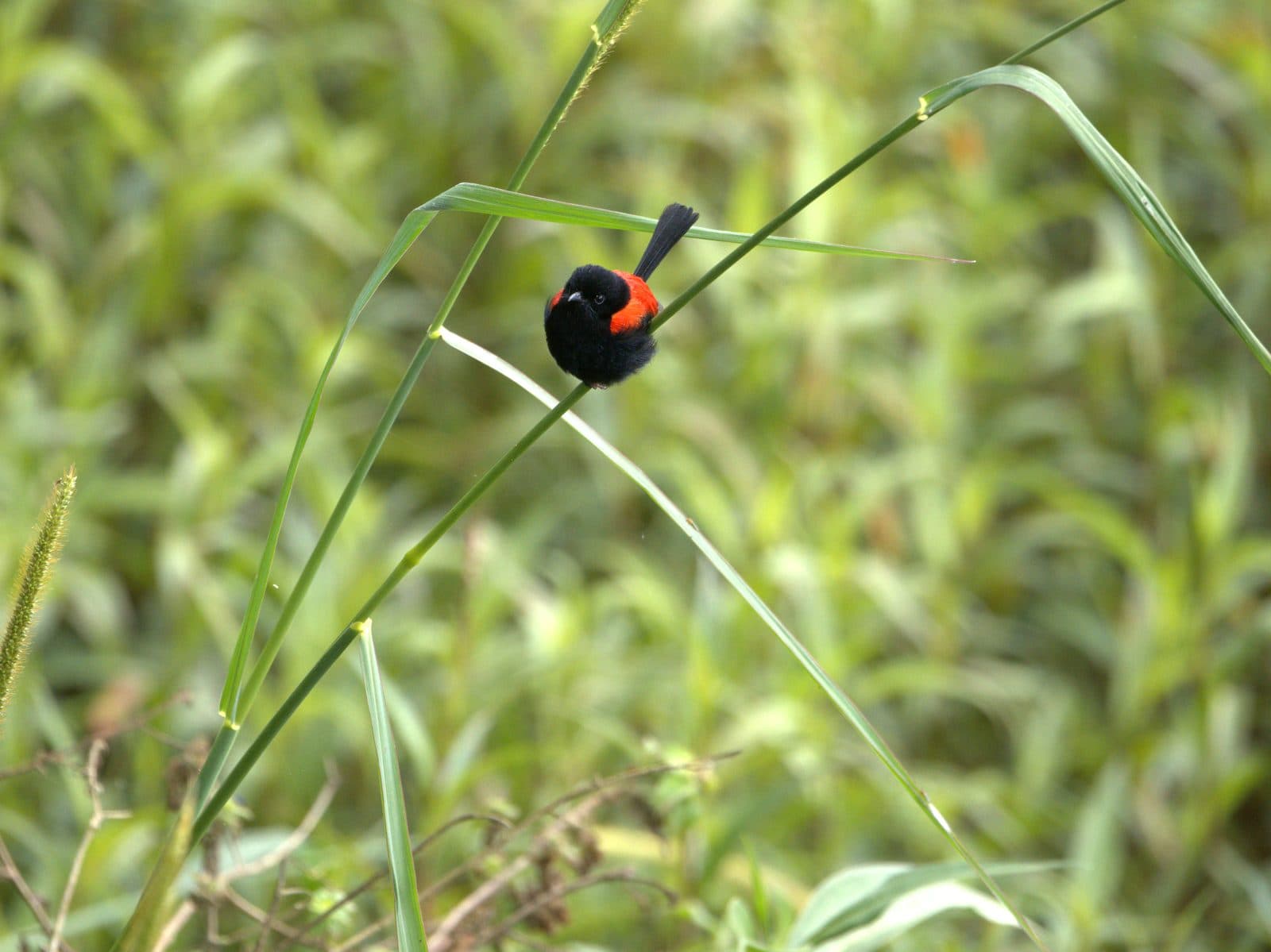
We then climbed the range, travelling through the Wet Tropics World Heritage rainforest before emerging into the tropical savanna around Mareeba. Almost immediately upon arrival, a Red-backed Fairy-wren called from the bushes, accompanied by Rainbow Bee-eater, Rufous Whistler and Brown Honeyeater. Further exploration produced excellent views of Brown Goshawk and Northern Fantail, as well as a pair of Galahs in flight.
Our next destination was Granite Gorge Nature Park. Conditions were unseasonably wet, with light rain falling as we arrived. While sheltering from the shower, we witnessed an entertaining interaction between a mob of Spangled Drongos and a family of Grey-crowned Babblers, resulting in a spectacular flurry of feathers, while Olive-backed Oriole and Yellow Honeyeater looked on.
Once the rain passed, we continued exploring the park, finding Noisy Friarbird, Little Friarbird and White-throated Honeyeater actively feeding in the Eucalyptus trees. The undergrowth was equally productive, with Australian Rufous Fantail, Fairy Gerygone and a pair of Black-faced Monarchs providing some excellent opportunities for observation.
Following a delicious lunch at the local Heritage Museum, we continued south to the renowned Hasties Swamp bird hide. The wetland was unseasonably full, attracting good numbers of Australasian Grebes, along with smaller groups of Little Black Cormorants feeding beneath the surface. Other highlights included Nankeen Night Heron, Great Crested Grebe and Wandering Whistling-Duck. A Forest Kingfisher and Little Pied Cormorant also provided excellent photographic opportunities, both perching prominently in front of the hide.
By the time we reached the picturesque town of Yungaburra, the morning rain had given way to bright, sunny conditions. The area was alive with activity, with Scarlet Myzomela, Dusky Myzomela and Brown Honeyeater actively feeding among the flowering Callistemon before we began our walk.
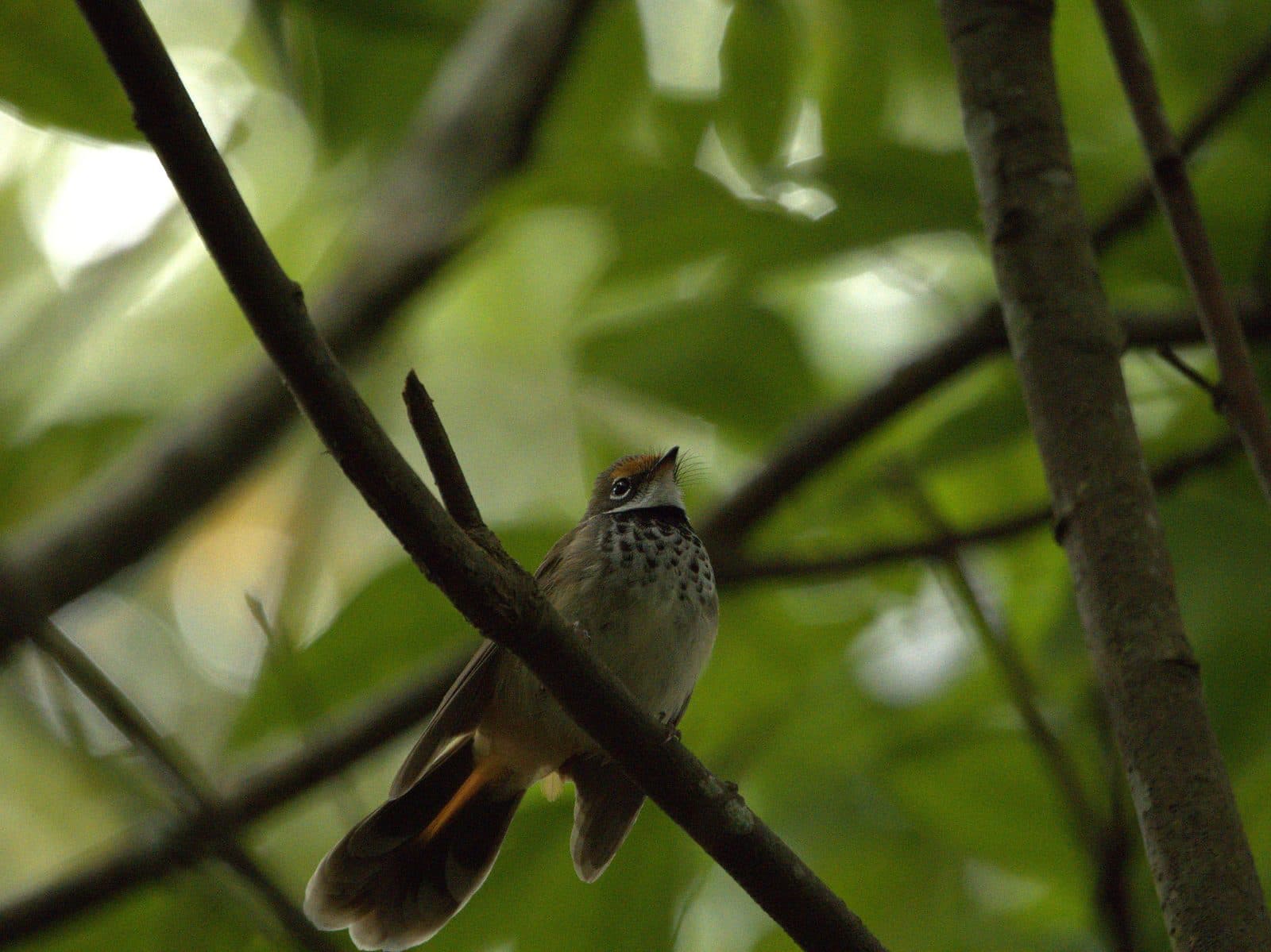
Crossing the suspension bridge, we were rewarded with excellent views of a small group of Scaly-breasted Lorikeets feeding high in the canopy. Their predominantly green plumage made them particularly challenging to locate among the foliage. The surrounding rainforest produced further highlights, including Pied Monarch, Spectacled Monarch and Rufous Whistler.
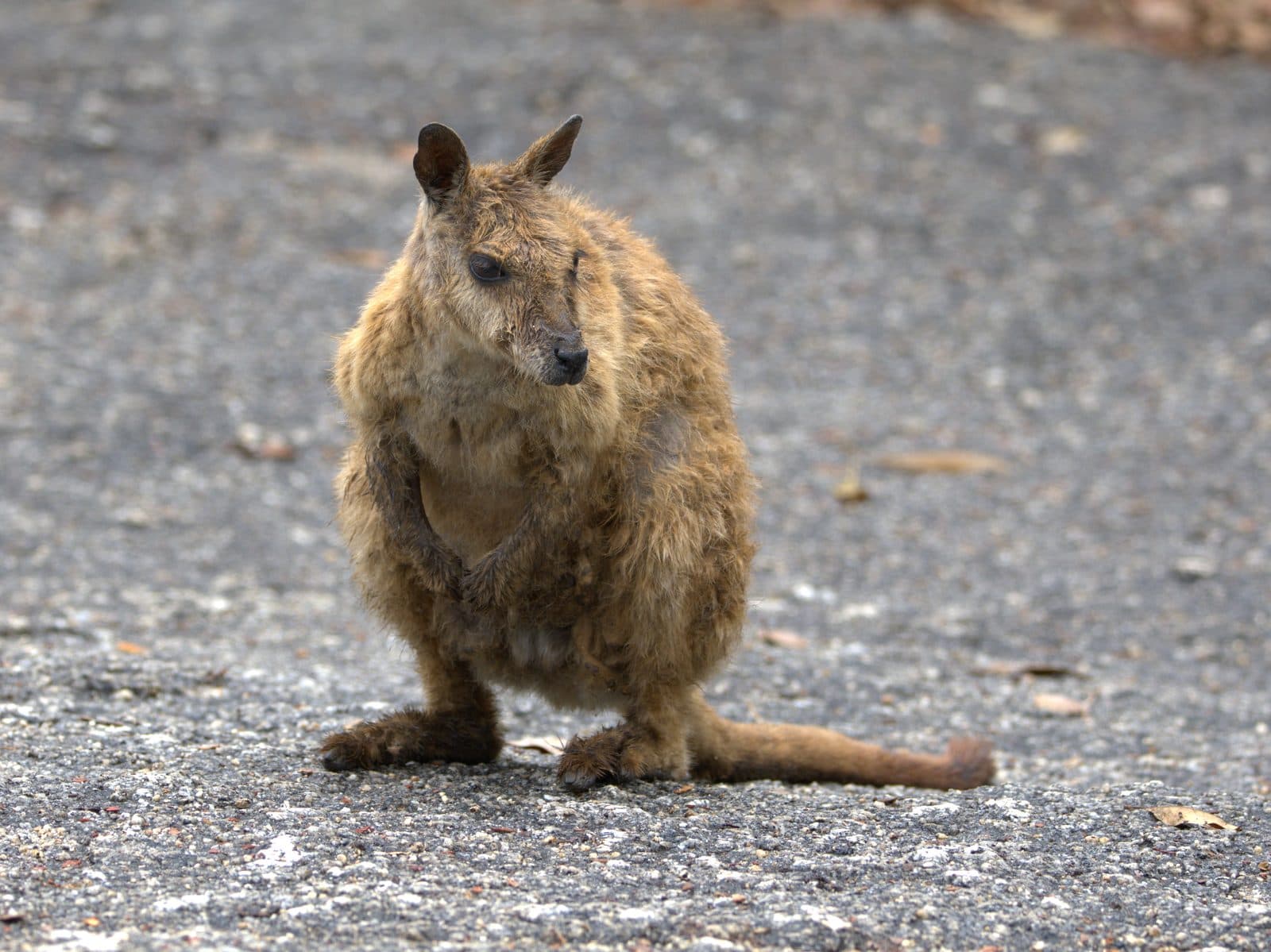
The mammal encounters were equally memorable, with excellent views of a Green Ringtail Possum, the Mareeba Rock-wallabies earlier at Granite Gorge, and the much-loved Platypus, which was actively feeding in the small stream.
As the afternoon drew to a close, we descended from the 800-metre elevation of the Atherton Tablelands towards the coast, following the scenic Gillies Highway before continuing through the sugarcane fields and back to Cairns.
A fantastic day in the field, with an excellent variety of habitats, wildlife and photographic opportunities. Definitely a day to remember.
Species Recorded
Ducks
- Plumed Whistling-Duck. At the foothills on the first stop of the day.
- Wandering Whistling-Duck. On the water at Hasties Swamp.
- Pacific Black Duck. The day's most numerous duck, fifty-eight across the checklists.
- Hardhead
Megapodes
- Australian Brushturkey
Pigeons and Doves
- Spotted Dove. Introduced, noted for completeness.
- Squatter Pigeon. One bird in the dry country, a good pick-up on a day like this.
- Peaceful Dove. Thirty-seven through the savanna country.
- Bar-shouldered Dove
- Torresian Imperial Pigeon
Swifts
- Australian Swiftlet
Rails and Swamphens
- Eurasian Coot. Hasties Swamp.
- Australasian Swamphen. Thirty at Hasties.
Plovers and Lapwings
- Masked Lapwing
Grebes
- Australasian Grebe. Good numbers on an unseasonably full Hasties Swamp, around forty birds.
- Great Crested Grebe. Also at Hasties, the long neck and dark crest obvious at distance.
Darters and Cormorants
- Australasian Darter
- Little Pied Cormorant. Perched prominently in front of the Hasties hide, one of the easier photographic subjects of the day.
- Little Black Cormorant. Small groups diving at Hasties.
Ibises and Spoonbills
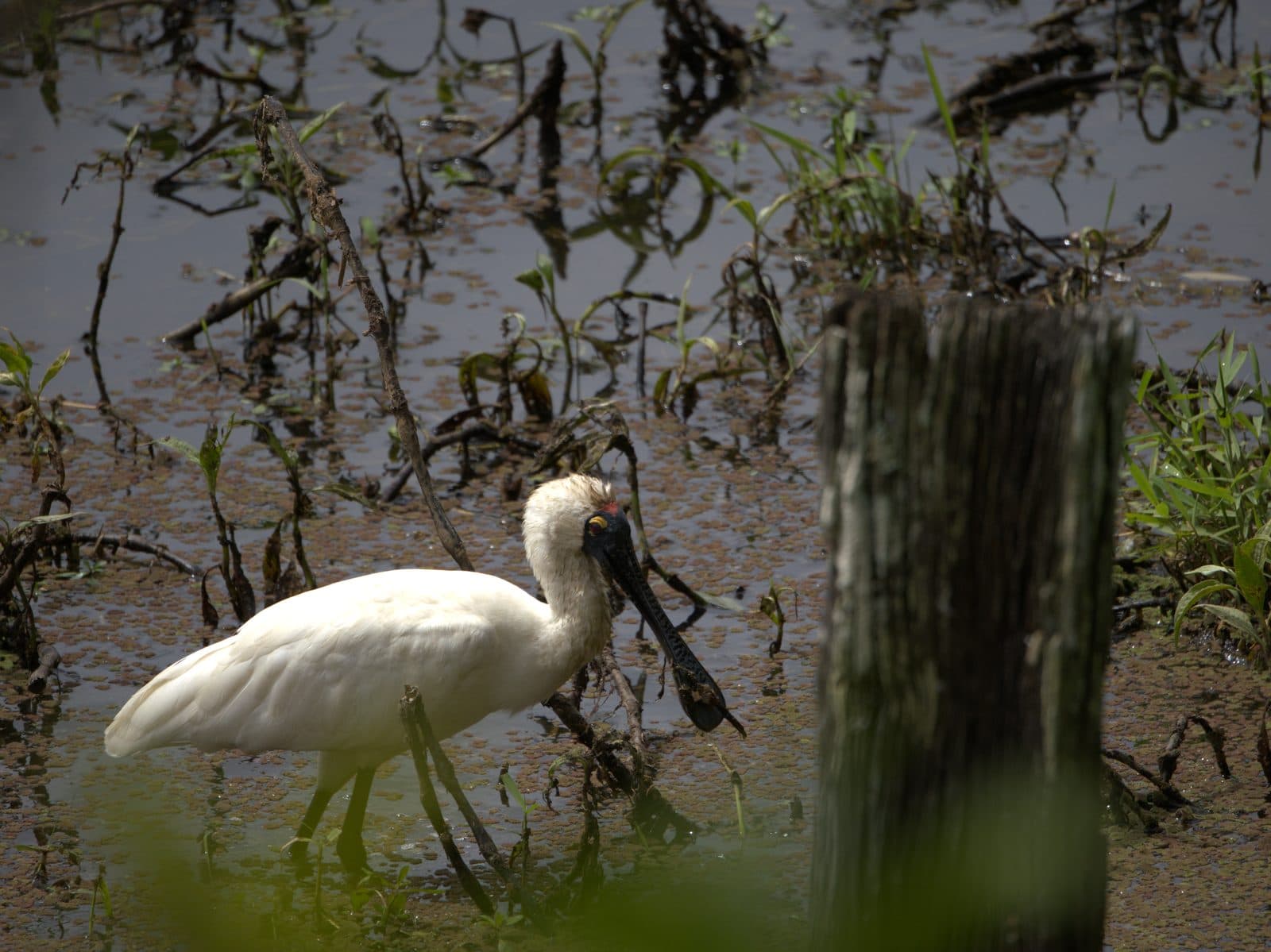
- Royal Spoonbill
Herons and Egrets
- Nankeen Night Heron. Hasties Swamp.
- Great Egret. In the trees around the flying fox roost.
- Plumed Egret
Hawks, Eagles and Kites
- Wedge-tailed Eagle
- Brown Goshawk. Excellent views in the savanna country around Mareeba.
- Black Kite
- White-bellied Sea Eagle
Bee-eaters
- Rainbow Bee-eater. In the Mareeba savanna, calling as we arrived.
Kingfishers
- Laughing Kookaburra
- Forest Kingfisher. In front of the Hasties hide, sitting long enough for everyone to work the light.
Cockatoos
- Galah. A pair in flight over the savanna.
- Sulphur-crested Cockatoo
Parrots and Lorikeets
- Pale-headed Rosella
- Scaly-breasted Lorikeet. A small group feeding high in the canopy at Peterson Creek, hard to pick out against the green.
- Rainbow Lorikeet
Bowerbirds
- Great Bowerbird. Granite Gorge.
Fairywrens
- Red-backed Fairywren. Calling from the bushes almost the moment we reached the savanna.
Honeyeaters
- Lewin's Honeyeater
- Yellow Honeyeater. Granite Gorge, watching the drongos and babblers go at it.
- Yellow-faced Honeyeater
- Dusky Myzomela. With the Scarlet at Yungaburra, small, dark and easy to overlook.
- Scarlet Myzomela. In the flowering callistemon at Yungaburra.
- Brown Honeyeater. In the savanna and again in the flowering callistemon at Yungaburra.
- White-cheeked Honeyeater
- White-throated Honeyeater. Feeding in the eucalypts at Granite Gorge.
- Macleay's Honeyeater
- Little Friarbird. Granite Gorge, alongside the Noisy for a useful size comparison.
- Noisy Friarbird. Granite Gorge.
Pardalotes
- Striated Pardalote
Scrubwrens and Gerygones
- Large-billed Scrubwren
- Brown Gerygone
- Fairy Gerygone. Working the undergrowth at Granite Gorge.
- White-throated Gerygone
Australasian Babblers
- Grey-crowned Babbler. A family party at Granite Gorge, in a spectacular flurry of feathers with the drongos.
Cuckooshrikes
- Barred Cuckooshrike
- White-bellied Cuckooshrike
- Varied Triller
Whistlers
- Little Shrikethrush
- Rufous Whistler. In the savanna near Mareeba, then again in the rainforest at Peterson Creek.
Orioles and Figbirds
- Olive-backed Oriole. Granite Gorge.
- Australasian Figbird
Woodswallows and Butcherbirds
- White-breasted Woodswallow
- Pied Butcherbird
Fantails
- Northern Fantail. Mareeba savanna, more upright and less restless than its rainforest cousins.
- Willie Wagtail
- Australian Rufous Fantail. In the undergrowth at Granite Gorge.
Drongos
- Spangled Drongo. A mob of them at Granite Gorge, the instigators.
Monarchs
- Black-faced Monarch. A pair at Granite Gorge.
- Spectacled Monarch. Peterson Creek.
- Pied Monarch. Peterson Creek rainforest.
- Magpie-lark
Cisticolas and Warblers
- Golden-headed Cisticola
- Australian Reed Warbler
Swallows
- Welcome Swallow
White-eyes
- Silvereye
Starlings
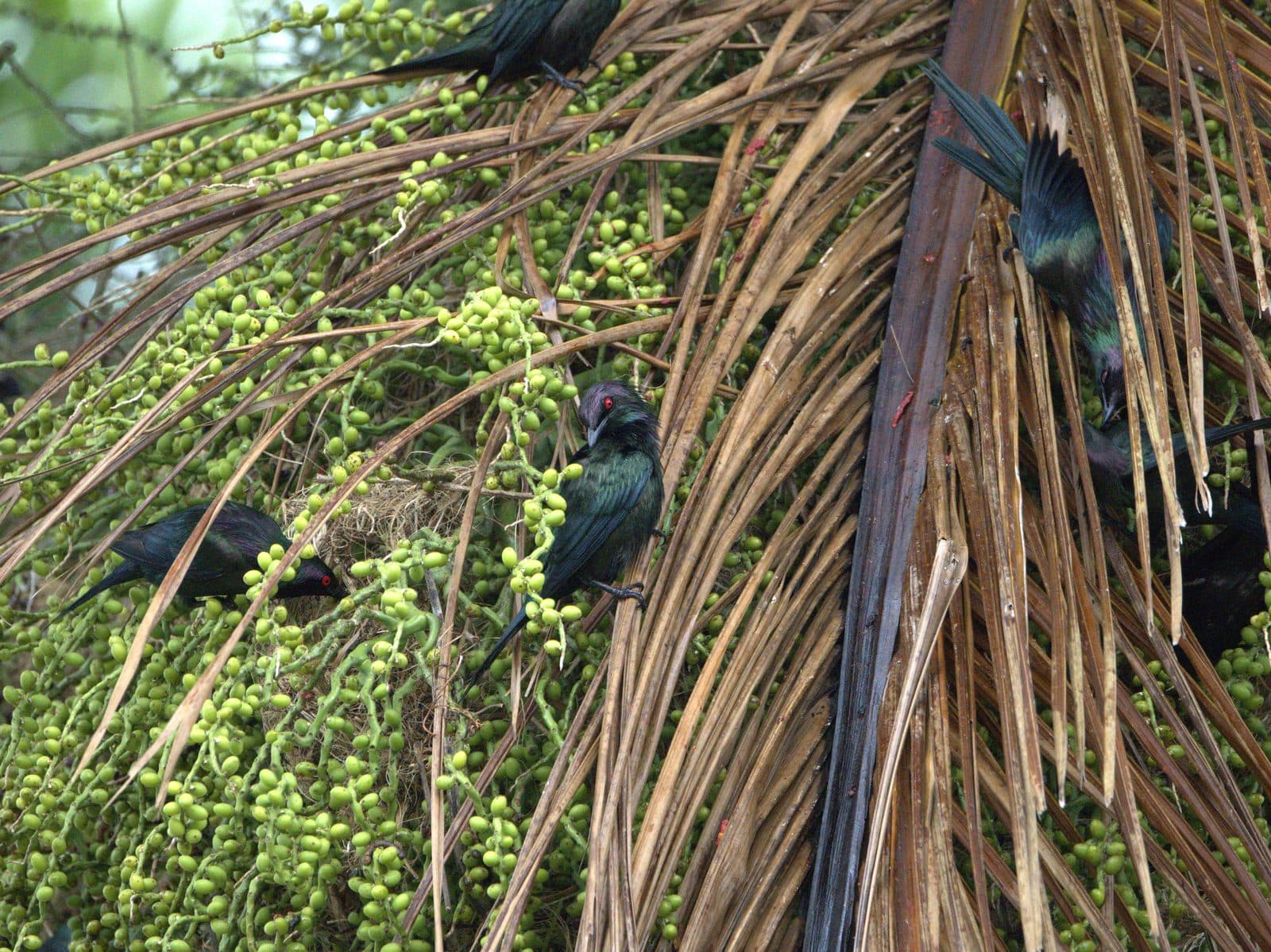
- Metallic Starling. Thirty-eight in the trees at Trinity, the largest single count of the day.
- Common Myna. Introduced, noted for completeness.
Flowerpeckers
- Mistletoebird. A male singing from a low fig branch near the roost, as confiding as this species gets.
Sunbirds
- Sahul Sunbird
Finches
- Crimson Finch. At the foothills.
- Red-browed Finch
- Chestnut-breasted Mannikin. With the Crimson Finch on the first stop.
Mammals
- Spectacled Flying-fox - A seasonal roost of roughly 1,800 to 2,500 animals, the scale of it the thing you remember.
- Green Ringtail Possum - Yungaburra.
- Platypus - Peterson Creek, feeding in the open in the small stream and in no hurry to move on, which is not the usual form.
- Mareeba Rock-wallaby - Granite Gorge Nature Park, where they are well used to people.